Make Flower Dye from Unsuitable Blooms
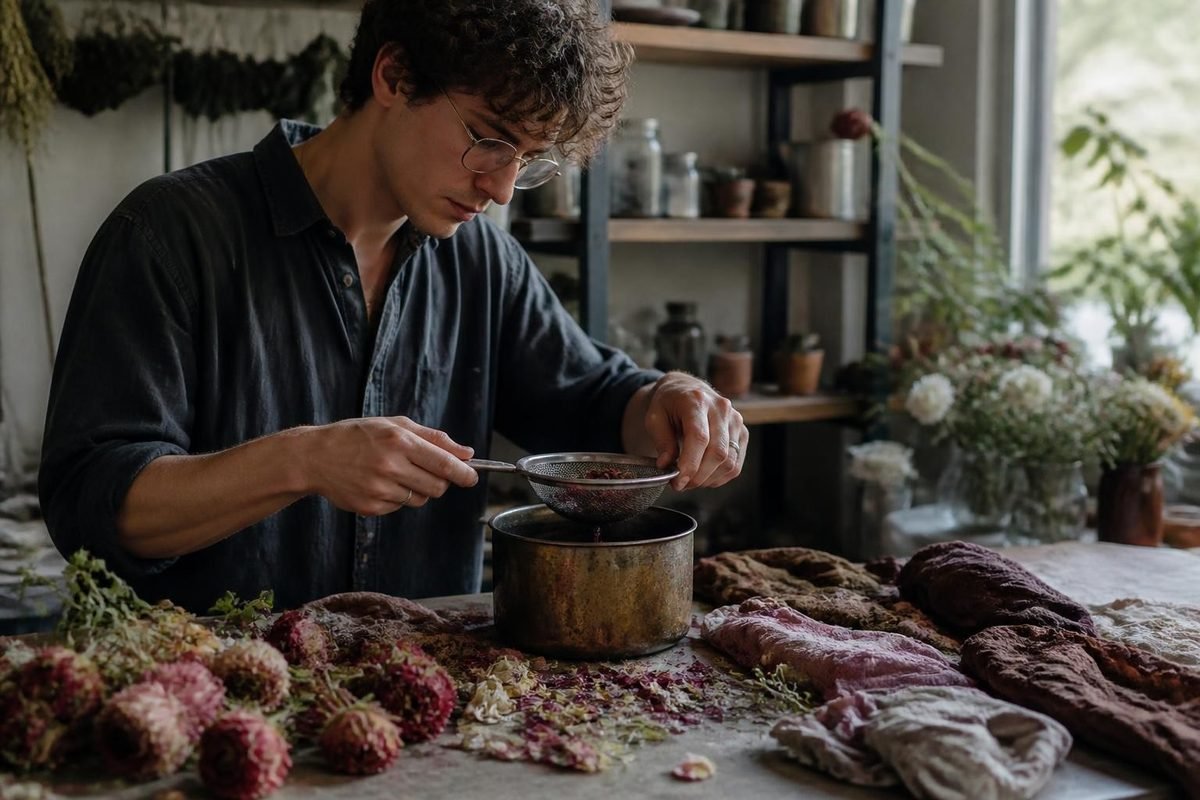
You can use damaged flowers to make natural dye by gently simmering their usable petals in water, straining the bath, and trying it on fabric. The color you get varies with the flower, the fabric fiber, and how you prepare them, so begin with small tests.
Choose and sort your blooms
Put aside flowers whose bruised petals, snapped stems, or other damage mean they are not suitable for an arrangement. If you want to learn what the petals alone can do, remove the leaves and stems. Keep different kinds of flowers in separate batches so you can compare their colors.
Use plant material that is still fresh enough to handle easily, and throw away anything moldy or rotting. Do not use flowers that may have been exposed to pesticides or other unknown chemicals, especially if the finished fabric could touch skin regularly.
A petal’s color can offer a hint, but it does not guarantee the dye color. Some pigments move readily into water, while others create a pale result or one that does not last long. A dark red bloom, for example, may not turn cloth red.
Prepare a modest dye bath
Choose a pot used only for dyeing. Add the petals and enough water to cover them, warm the mixture gently, and simmer it for around 30 minutes. Allow the liquid to cool, then strain it. Use a fine strainer or a piece of cloth to remove tiny bits that could stick to the fabric and leave uneven spots.
Begin with a small piece of cloth and write down the amounts of flowers and water you used. That record gives you a starting point if you want to make the same batch again. A dye bath that looks more concentrated will not always make a darker fabric, although trying a larger amount of petals can be useful.
Get the fabric ready and dye it
Wash the fabric before dyeing to clear away dirt and finishes that may prevent it from absorbing color. Different fibers can behave differently: wool and silk often take natural dyes unlike cotton and linen. Test each type of fiber on its own, using small scraps.
A mordant is a substance that can help color attach to fiber, and some natural dyes work better with one. Alum is commonly used, but both the method and the amount depend on the fabric. Use a dependable recipe for the fiber you have rather than guessing how much to add.
Wet the fabric, put it into the strained dye, and heat the bath gently. Shift the fabric from time to time so the liquid reaches it evenly. Let the material cool in the bath, then rinse it and leave it to dry. Keep dyeing pots and utensils separate from anything used to prepare food.
Check how well the shade holds
Flower dyes may change or fade after washing, exposure to light, or shifts in acidity. Before making ribbons, wrapping, or display pieces, try the dye on a scrap and check how it behaves:
- Rinse the sample and see how much color washes out.
- Leave one part in daylight and cover another part, then compare the two.
- Write down the flower, fiber, preparation steps, and result so you can refer to them later.
These simple checks help you make use of damaged blooms and identify the colors and methods worth trying again.
Also helpful: more info